The full report is now available on the FAO website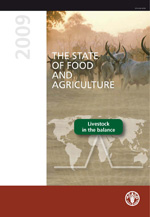
Global
Archived Posts from this Category
February 19, 2010
FAO – The State of Food and Agriculture 2009 – Livestock in the Balance
Posted by brugerard under FAO, Global, PublicationLeave a Comment
February 16, 2010
Intensive versus extensive livestock systems and greenhouse gas emissions
Posted by brugerard under Climate Change, Crop-Livestock, Global, Intensification, PublicationLeave a Comment
From the Food Climate Research Network
The purpose of this briefing paper is to explore the different ways in which one might view the contributions that livestock in intensive and extensive systems make to greenhouse gas emissions. Why do people draw different conclusions about intensive versus extensive systems? How far do these conclusions reflect differing approaches to quantifying emissions, to considering land use, and to accepting future demand for animal source foods?
February 12, 2010
ILRI-led, SLP-funded study published today in Science Special Issue on Food Security
Posted by brugerard under Climate Change, Crop-Livestock, Food security, Global, Intensification, News1 Comment
Smart Investments in Sustainable Food Production: Revisiting Mixed Crop-Livestock Systems
M. Herrero P. K. Thornton, A. M. Notenbaert, S. Wood, S. Msangi, H. A. Freeman, D. Bossio, J. Dixon, M. Peters, J. van de Steeg, J. Lynam, P. Parthasarathy Rao, S. Macmillan, B. Gerard, J. McDermott, C. Seré, M. Rosegrant
Farmers in mixed crop-livestock systems produce about half of the world’s food. In small holdings around the world, livestock are reared mostly on grass, browse, and nonfood biomass from maize, millet, rice, and sorghum crops and in their turn supply manure and traction for future crops. Animals act as insurance against hard times and supply farmers with a source of regular income from sales of milk, eggs, and other products. Thus, faced with population growth and climate change, small-holder farmers should be the first target for policies to intensify production by carefully managed inputs of fertilizer, water, and feed to minimize waste and environmental impact, supported by improved access to markets, new varieties, and technologies.


 Systemwide Livestock Programme